Owning a vehicle involves more than filling the tank and getting behind the wheel. Regular maintenance, timely inspections, appearance care, and appropriate repairs all contribute to a better driving experience. Understanding the services available to vehicle owners can make it easier to recognize potential problems, plan maintenance, and make informed decisions when something goes wrong.
Different vehicles also have different needs. A commuter car may require routine maintenance, while a luxury SUV, hybrid, or older vehicle may require more specialized attention. Knowing when to seek professional assistance can help drivers address problems before they become more complicated and keep their vehicles prepared for everyday driving.
Choosing the Right Repair Provider
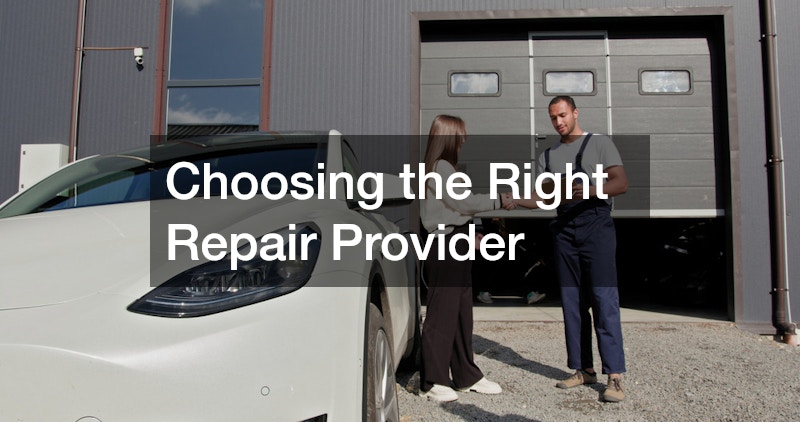
When a vehicle develops a mechanical problem, choosing the appropriate service provider is an important first step. General repair facilities can handle many common automotive concerns, including inspections, fluid services, battery replacement, engine diagnostics, and routine maintenance. The right provider depends on the vehicle, the problem, and the type of service required.
Drivers should consider whether a facility has experience working with their particular make and model. It can also be helpful to ask about diagnostic procedures, parts used, warranties, estimated completion times, and the work included in an estimate.
When comparing auto repair shops, drivers should look beyond convenience alone. A facility’s ability to diagnose the underlying problem accurately can be just as important as its ability to complete the repair. Asking questions before authorizing work can help clarify what needs to be repaired and why.
Important considerations when selecting a repair provider include:
- Experience with the vehicle’s make and model
- Clear explanations of recommended repairs
- Written estimates before major work begins
- Information about replacement parts
- Communication about unexpected findings
- Reasonable expectations for completion
- Documentation of completed services
A good repair experience starts with communication. Drivers should feel comfortable describing symptoms, asking questions, and requesting clarification when technical terminology becomes difficult to understand.
Addressing Exterior Damage
Mechanical maintenance is only one aspect of vehicle ownership. Collisions, parking lot incidents, weather, falling objects, and other situations can damage a vehicle’s exterior. Even seemingly minor damage may affect panels, paint, lights, trim, or other components.
Auto body shops generally focus on repairing damage to a vehicle’s exterior and restoring affected areas. Depending on the severity of the damage, the process may involve dent repair, panel replacement, paintwork, bumper repairs, or other restoration procedures.
After an accident, drivers should first make sure everyone involved is safe and follow any applicable reporting and insurance requirements. Once immediate concerns are addressed, documenting the damage with photographs can be useful for insurance and repair discussions.
Before approving collision-related work, consider asking:
- Which areas of the vehicle require repair?
- Can the damaged components be repaired or must they be replaced?
- Will paint need to be matched or blended?
- Are structural components involved?
- What parts will be used?
- How long is the estimated repair process?
- Is additional damage possible once the vehicle is disassembled?
Cosmetic damage can sometimes hide more significant problems underneath. For that reason, a professional assessment is particularly important after a collision or substantial impact.
Knowing When Specialized Work Is Needed
Not every automotive problem can be approached the same way. Some vehicles contain advanced systems or unusual components that require equipment, training, or experience beyond routine maintenance.
Specialty auto repairs may involve particular vehicle systems, performance components, electrical issues, advanced diagnostics, or manufacturer-specific technology. Drivers should consider specialized service when a problem is unusual, difficult to diagnose, or associated with a vehicle that requires particular expertise.
Warning signs that a specialized evaluation may be appropriate include:
- Recurring problems after previous repairs
- Electronic warning messages that are difficult to identify
- Unusual electrical behavior
- Performance problems that remain unresolved
- Advanced driver-assistance system concerns
- Problems involving specialized vehicle components
- Issues specific to a particular make or model
Modern vehicles increasingly depend on computerized systems. A dashboard warning may be connected to sensors, control modules, wiring, or mechanical components. Replacing a part without determining the actual cause may not resolve the problem.
A proper diagnostic process can help narrow down possible causes before repairs begin. Drivers can also help by providing detailed information about when the problem occurs, what sounds or sensations accompany it, and whether the issue changes with speed, temperature, or driving conditions.
Considering Comfort and Appearance Upgrades
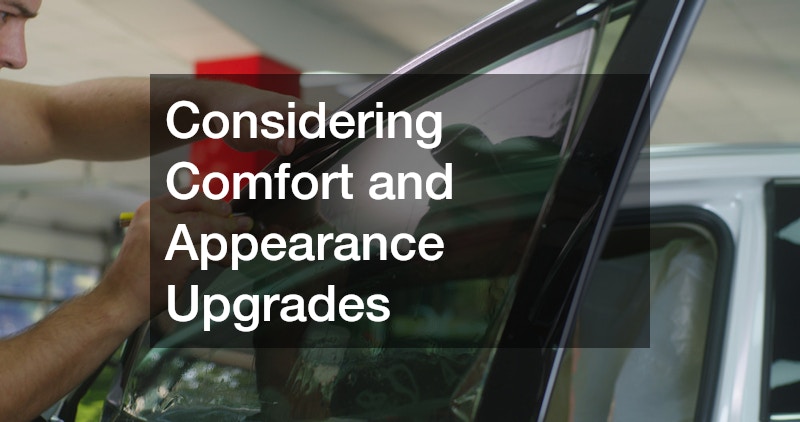
Vehicle services are not limited to repairs. Drivers may also make improvements intended to increase comfort, protect the interior, or change the vehicle’s appearance.
Car window tinting is one option that can alter the look and feel of a vehicle’s cabin. Depending on the tint selected and applicable regulations, window film may affect sunlight entering the vehicle and contribute to a different interior environment.
Before having window film installed, drivers should understand local laws regarding tint darkness and which windows may be treated. Regulations can vary depending on location and vehicle type.
Drivers should also consider:
- The type of film being installed
- Which windows will receive treatment
- Applicable visibility requirements
- Installation quality
- Warranty information
- Desired appearance
- How the film may affect interior comfort
Appearance upgrades should be approached with the same care as mechanical services. Professional installation can help ensure the finished product is appropriate for the vehicle and complies with applicable requirements.
Beyond window tinting, drivers may consider other appearance-focused services such as paint correction, interior cleaning, protective treatments, wheel care, and exterior detailing. These services can be useful for maintaining a vehicle’s presentation between major repairs and routine maintenance.
Recognizing Transmission Problems
The transmission plays a critical role in transferring engine power to the wheels and allowing the vehicle to operate at different speeds. Because of its importance, transmission problems should not be ignored.
Transmission repairs can vary considerably depending on the underlying issue. A problem might involve fluid, electronic controls, internal components, seals, or other parts of the transmission system. Some issues may be relatively straightforward, while others can require extensive diagnostic work and disassembly.
Drivers should pay attention to symptoms such as:
- Delayed engagement when shifting
- Difficulty changing gears
- Unusual noises during acceleration
- Shaking or hesitation
- Slipping between gears
- Unusual smells
- Fluid leaks
- Warning lights
A vehicle does not necessarily have a transmission failure simply because it shifts differently than usual. However, noticeable changes should be evaluated rather than dismissed.
Continuing to drive with a serious transmission problem can potentially make the underlying issue worse. If a vehicle is behaving abnormally, drivers should obtain a professional assessment to determine whether continued driving is appropriate.
Transmission maintenance can also vary by vehicle. Owners should consult their vehicle’s maintenance information regarding fluid specifications, service intervals, and other manufacturer recommendations.
Paying Attention to Stopping Performance
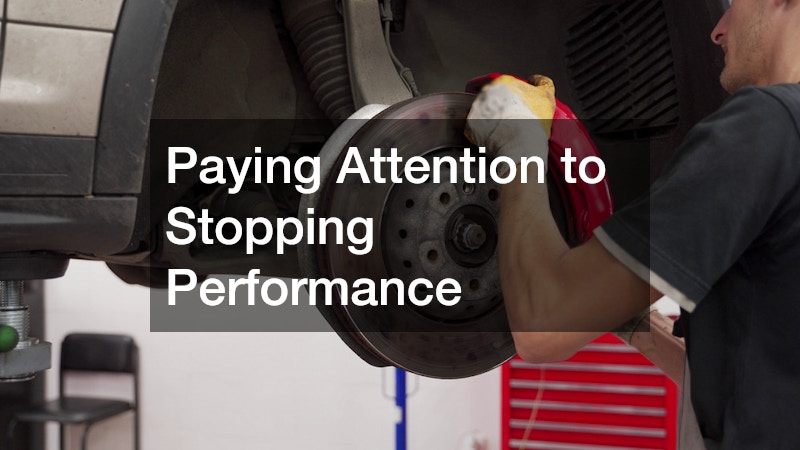
A vehicle’s ability to stop safely depends on multiple components working together. Brakes experience repeated friction and heat during normal driving, which means some components will eventually wear and require replacement.
Brake repair services may address worn pads, damaged or worn rotors, brake fluid concerns, calipers, hardware, or other components depending on the vehicle and inspection findings.
Drivers should take warning signs seriously. Potential indicators include:
- Squealing or grinding sounds
- Vibrations while braking
- Pulling to one side
- A soft or unusually firm pedal
- Increased stopping distance
- Brake warning lights
- Visible damage or excessive wear
Not every noise indicates the same problem. Some sounds can result from normal material characteristics, while others may indicate components that need attention. A professional inspection can help distinguish between them.
Brake maintenance is especially important because stopping performance can affect every trip. Drivers should avoid postponing inspections when braking behavior changes noticeably.
Routine inspections can also help identify wear before a more serious problem develops. This is particularly useful for drivers who frequently deal with heavy traffic, steep roads, towing, or other conditions that place additional demands on braking components.
Maintaining Electrified Vehicles
Hybrid vehicles combine an internal combustion engine with electric propulsion technology. Their systems can differ substantially from those found in conventional vehicles, particularly around high-voltage components and electronic controls.
Hybrid auto repairs should be performed by professionals who understand the systems involved and have the appropriate equipment and training. A hybrid vehicle may require attention to both conventional mechanical components and specialized electrical systems.
Drivers should follow the maintenance schedule provided for their vehicle rather than assuming that hybrid technology eliminates routine service. Hybrid vehicles can still require attention to tires, brakes, fluids, suspension components, cooling systems, and other conventional systems.
Useful maintenance habits include:
- Following the manufacturer’s service schedule
- Paying attention to dashboard warnings
- Reporting unusual performance changes
- Keeping tires properly maintained
- Having unusual noises investigated
- Addressing cooling-system concerns
- Using the specified fluids and replacement components
Hybrid vehicles may also use regenerative braking, which can change how the braking system operates compared with conventional vehicles. That does not mean the brakes can be ignored. Brake components still require inspection and appropriate maintenance.
Because hybrid systems can involve high-voltage components, drivers should avoid attempting unfamiliar electrical repairs themselves. Professional evaluation is the safer approach when specialized systems are involved.
Caring for Luxury and Specialty Vehicles
Some vehicles have maintenance requirements that differ from those of more common models. Luxury vehicles may incorporate specialized engines, electronics, suspension systems, infotainment technology, and other components that require model-specific knowledge.
Range Rover auto repairs can involve systems unique to these vehicles, making experience with the particular model valuable when diagnosing or repairing a problem. Drivers should provide technicians with information about warning lights, unusual noises, performance changes, and previous repairs.
For specialized vehicles, maintenance records can be especially useful. Keeping documentation of completed work helps technicians understand what has already been serviced and may provide important context when diagnosing recurring concerns.
Drivers of luxury or specialty vehicles should consider:
- Following the manufacturer’s recommended maintenance schedule
- Keeping detailed service records
- Using correct specifications for fluids and parts
- Addressing warning lights promptly
- Choosing technicians familiar with the vehicle
- Asking questions about diagnostic procedures
- Avoiding unnecessary replacement of unrelated components
A vehicle that has advanced features can require a more deliberate diagnostic process. Proper information and maintenance history can help reduce confusion and give technicians a clearer picture of the vehicle’s condition.
Keeping the Vehicle Clean and Presentable
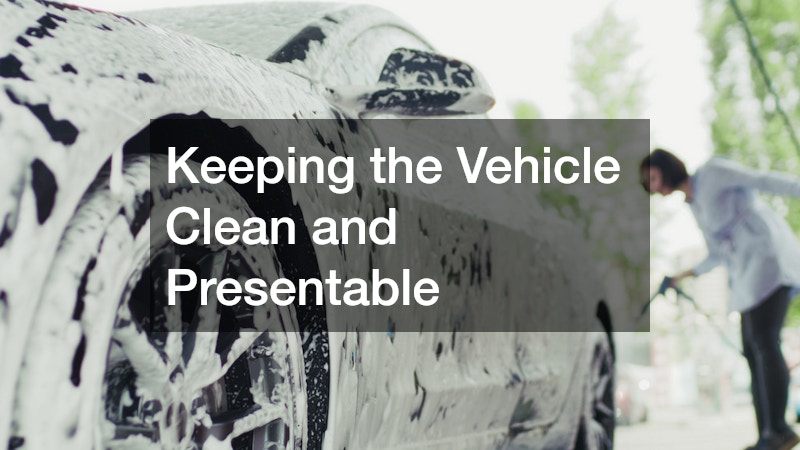
Maintenance protects mechanical function, while detailing can help preserve a vehicle’s interior and exterior appearance. Regular cleaning can also make it easier to notice problems such as paint damage, cracked trim, stains, or unusual wear.
When searching for the best car detailer, drivers should consider more than a business’s advertised package. Different detailers may specialize in different services, so it is important to determine whether the provider offers the type of care the vehicle needs.
Potential services may include:
- Exterior washing
- Interior vacuuming
- Upholstery cleaning
- Carpet cleaning
- Paint polishing
- Waxing or protective treatments
- Wheel and tire cleaning
- Interior surface treatment
The appropriate frequency depends on how the vehicle is used. A car that is driven daily, parked outdoors, transported with pets, or exposed to difficult weather may require more frequent attention than a vehicle used occasionally.
Drivers should also distinguish between basic cleaning and more extensive detailing. A routine cleaning may be enough for regular upkeep, while deeper detailing may be appropriate before selling a vehicle, after a long trip, or when addressing accumulated dirt and stains.
Preparing for Breakdowns and Emergencies
Even a well-maintained vehicle can experience an unexpected breakdown. A flat tire, dead battery, overheating problem, collision, or mechanical failure can leave a driver unable to continue safely.
A towing service can provide transportation for a disabled vehicle when driving it farther could cause additional damage or create a safety concern. Drivers should understand their roadside assistance options before an emergency occurs.
It is useful to keep basic emergency supplies in the vehicle, such as:
- A phone charger
- Flashlight
- First-aid supplies
- Reflective warning equipment
- Water
- Basic emergency supplies appropriate for the climate
- Vehicle documentation and roadside assistance information
When a breakdown occurs, the first priority should be safety. If possible, move the vehicle away from active traffic and turn on hazard lights. Drivers should remain in a safe location while waiting for assistance, particularly on busy roads.
Knowing whom to contact can make an unexpected situation less stressful. Drivers may have roadside assistance through an insurance provider, automobile association, vehicle manufacturer, or another service plan. Checking coverage in advance can help avoid confusion during an emergency.
Building a Practical Maintenance Routine
A vehicle maintenance plan does not have to be complicated. The most useful approach is one that drivers can follow consistently. Keeping track of routine services, inspections, repairs, and manufacturer recommendations can make vehicle care more manageable.
A practical maintenance routine can include:
- Checking tire pressure regularly
- Monitoring fluid levels when appropriate
- Paying attention to warning lights
- Replacing worn windshield wipers
- Checking exterior lights
- Scheduling recommended maintenance
- Keeping service records
- Addressing unusual noises or vibrations promptly
- Inspecting tires for visible wear
- Cleaning the vehicle regularly
Drivers should also pay attention to changes in how the vehicle feels. A new vibration, steering change, unusual sound, hesitation, or warning message may provide an early indication that something needs attention.
Maintenance schedules vary by vehicle. Mileage, age, driving conditions, climate, and usage can all influence service needs. A vehicle used for frequent short trips may experience different conditions from one used primarily for highway driving.
The most important habit is paying attention. Changes in performance, unusual sounds, warning lights, visible damage, and other symptoms should not automatically be ignored. By learning what different services involve and seeking professional assistance when necessary, drivers can make more informed decisions and keep their vehicles prepared for the road.
About the Author