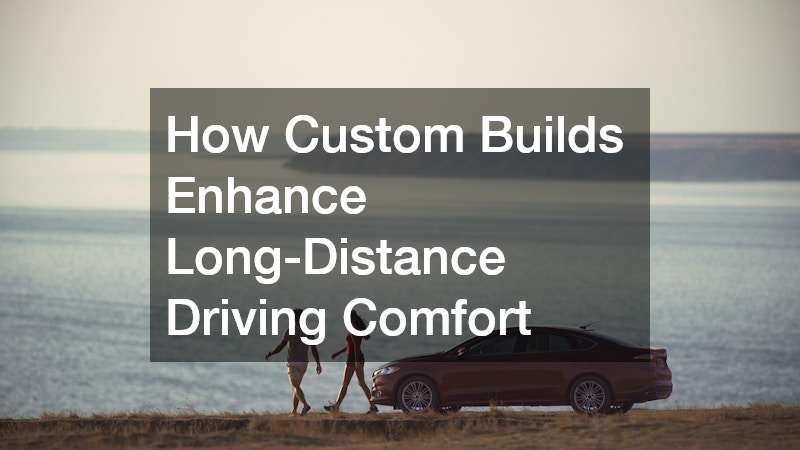
Long-distance driving has shifted from a simple necessity to a lifestyle for many drivers, with more people spending extended hours on the road for work and travel. Despite advances in automotive technology, most factory vehicles are not designed with prolonged comfort as a primary focus. Instead, stock setups often prioritize cost and broad appeal over the needs of drivers who regularly cover long distances.
True long-drive comfort involves more than a quiet cabin or cushioned seats. It comes from a balance of mechanical efficiency, supportive ergonomics, and thoughtful planning that reduces physical strain and mental fatigue. When any of these elements are missing, even short discomforts can compound over time, leading to exhaustion and reduced focus.
Custom vehicle builds address these gaps by tailoring a vehicle to real-world driving demands. Subtle improvements—such as refined mechanical tuning, suspension adjustments, and reliability-focused upgrades—can significantly enhance how a vehicle feels over long periods. Combined with smart planning beyond the vehicle itself, these choices help drivers stay relaxed, confident, and comfortable as the miles add up.
Optimizing Drivetrain Performance for Highway Endurance
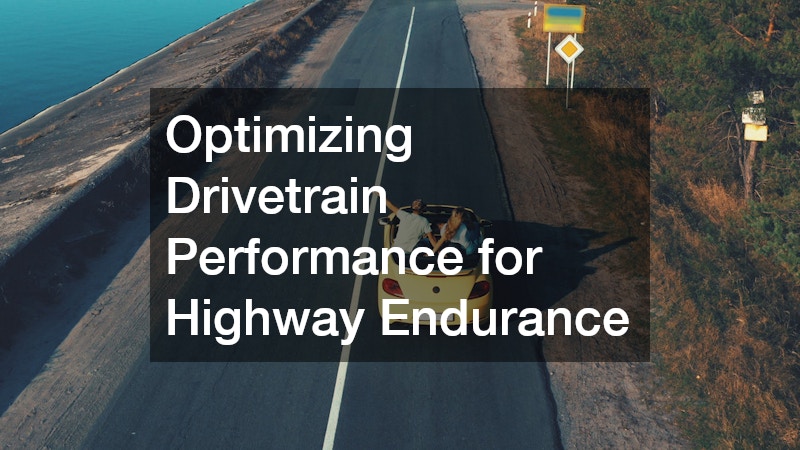
One of the most overlooked factors in long-distance driving comfort is how hard a vehicle works to maintain speed. When a drivetrain isn’t optimized for sustained highway travel, drivers experience excess noise, vibration, and poor fuel efficiency, all of which contribute to fatigue over time. Improper gearing can force an engine to run at high RPMs, increasing strain and creating vibrations that lead to tension in the hands, shoulders, and lower back. Adjusting gear ratios for cruising efficiency helps the vehicle settle into a calmer, more relaxed rhythm.
Well-planned transmission builds focus on endurance rather than aggressive performance. By refining shift points and torque delivery, power is applied more smoothly and consistently, reducing abrupt transitions and the need for constant throttle corrections. The result is a more predictable driving experience that conserves both physical and mental energy during long stretches on the road.
Benefits of optimizing drivetrain performance include:
- Reduced engine noise during highway cruising
- Smoother gear changes that minimize jolting
- Improved fuel efficiency over long distances
- Lower mechanical stress during extended operation
Drivers who tow, carry heavy loads, or travel through varying elevations benefit even more from drivetrain customization. Properly matched gearing ensures that the vehicle does not struggle uphill or surge downhill, both of which can be tiring to manage manually.
Comfort is often associated with luxury interiors, but mechanical refinement plays an equally important role. When a vehicle feels composed and predictable at speed, the driver expends less energy simply keeping it under control. Over hundreds of miles, this mechanical calm translates directly into physical and mental comfort.
Creating a Smooth Ride Across Changing Terrain
Long-distance travel rarely happens on perfectly smooth roads. Even highway-heavy trips include rough pavement, construction zones, or uneven secondary roads. Custom suspension tuning through offroad vehicle customization improves comfort by absorbing these variations instead of sending every impact through the cabin, helping reduce fatigue over long stretches.
Factory suspensions are often designed as a compromise between cost and handling, not sustained comfort. A customized setup allows drivers to prioritize ride quality by selecting and tuning shocks, springs, and bushings that manage bumps and dips more gracefully. When properly balanced, the vehicle remains stable without feeling stiff, keeping occupants relaxed even as road conditions change.
Key considerations for smoother long-distance travel include:
- Shock absorbers designed for heat dissipation over long use
- Spring rates matched to vehicle weight and load
- Improved damping to control body motion
- Alignment adjustments that reduce wandering at speed
Off-road vehicle customization is not limited to extreme terrain. Many upgrades intended for durability and control of the pavement also enhance comfort on long highway drives. Improved suspension articulation and quality components reduce fatigue by minimizing constant micro-adjustments from the driver.
The psychological effect is just as important as the physical one. When drivers trust that their vehicle will remain composed regardless of surface changes, they remain more relaxed and attentive. That confidence reduces stress, making long drives feel shorter and less demanding.
Protecting Exterior Surfaces During Long Road Trips
While comfort is often discussed in terms of ride quality and ergonomics, vehicle appearance also plays a role in long-distance satisfaction. Constant exposure to debris, insects, and road grime can create anxiety about damage, especially on newer or customized vehicles. Car paint protection offers a practical solution that allows drivers to focus on the journey rather than worrying about cosmetic wear.
Highway driving subjects a vehicle’s front end to repeated impacts from small stones and debris. Over time, these impacts lead to chips, scratches, and faded surfaces. Paint protection solutions act as a barrier, absorbing damage that would otherwise affect the vehicle’s finish.
Beyond aesthetics, protection reduces the need for frequent cleaning and touch-ups during long trips. Drivers who stop less often for maintenance-related concerns experience fewer interruptions and a more seamless travel rhythm.
Advantages of exterior protection include:
- Reduced damage from gravel and road debris
- Easier cleaning after long driving days
- Preservation of resale value
- Less stress over cosmetic imperfections
Car paint protection is particularly valuable for drivers who travel through varied climates. Bug splatter, salt air, and sudden weather changes can accelerate wear on unprotected surfaces. By investing in protection upfront, drivers remove a layer of worry from their travel experience.
When the vehicle looks good at the end of the day, drivers feel better about the journey overall. This sense of preservation contributes to comfort by eliminating unnecessary distractions and concerns, allowing focus to remain on driving safely and enjoying the trip.
Preparing for Lockouts and Key Issues on the Road
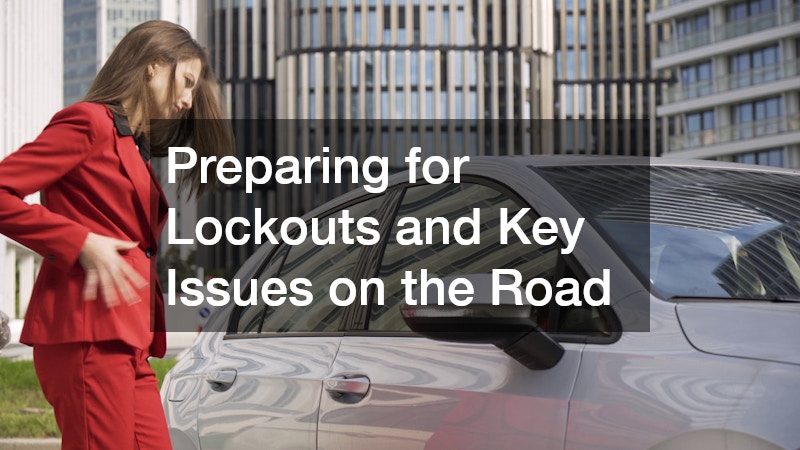
Few situations disrupt a long-distance trip faster than losing access to your vehicle. Whether due to a malfunctioning key fob, a misplaced key, or a locked door at an unfamiliar stop, these incidents create stress and delays. Planning ahead with support from a car locksmith can significantly reduce the impact of such issues.
Modern vehicles rely heavily on electronic keys and immobilizers. While convenient, these systems can fail without warning, especially after prolonged use or exposure to temperature extremes. Drivers on long trips are more likely to encounter such failures simply due to extended operating time.
Preparation involves more than just having a spare key. Understanding available services and having contact options ready ensures that minor problems do not escalate into trip-ending events.
Practical steps to reduce risk include:
- Carrying a tested spare key or fob
- Replacing weak key fob batteries before departure
- Saving contact information for mobile locksmith services
- Understanding emergency access procedures for your vehicle
A car locksmith provides specialized assistance that general roadside services may not offer. Having access to professional help minimizes downtime and anxiety during unexpected lock-related issues.
From a comfort perspective, preparedness creates peace of mind. Drivers who know they can resolve issues quickly remain calmer and more focused, even when plans change. This mental comfort is essential for maintaining energy and patience over long distances.
Transporting Specialty Vehicles Without Added Wear
Not every long-distance journey needs to involve driving the vehicle the entire way. For specialty builds or high-mileage vehicles, partnering with a vehicle transport company can be a strategic decision that preserves both comfort and mechanical longevity.
Driving long distances adds wear not only to the engine but also to suspension, tires, and interior components. For vehicles designed for specific environments or uses, this wear may be unnecessary or undesirable. Transporting the vehicle allows drivers to enjoy it at the destination without enduring the fatigue of a long haul.
Using professional transport also reduces driver exhaustion. Arriving rested instead of fatigued enhances safety and enjoyment once the trip begins in earnest.
Situations where transport improves comfort include:
- Cross-country relocations
- Seasonal travel to specific regions
- Transporting heavily customized vehicles
- Preserving limited-use or high-value builds
A vehicle transport company offers controlled handling and protection, reducing the risk of damage during transit. Knowing that the vehicle is handled professionally removes stress from the planning process.
Comfort is not just about the drive itself, but about arriving in the best possible condition—both mentally and mechanically. Strategic transport decisions support that goal.
Financing Comfort Upgrades Without Overextending Your Budget
Custom builds often involve multiple upgrades, and managing costs wisely is essential to maintaining long-term comfort—financially and emotionally. Mobile lending solutions allow drivers to spread investments over time rather than delaying improvements that directly affect comfort.
Financial strain can undermine the enjoyment of long-distance travel. Drivers who worry about overextending themselves may hesitate to take trips or fully enjoy the experience. Structured financing creates flexibility, allowing necessary upgrades to be completed without immediate financial pressure.
Mobile lending options provide convenience and accessibility, especially when upgrades are planned incrementally. This approach aligns well with long-term vehicle customization strategies.
Benefits of structured financing include:
- Ability to prioritize high-impact comfort upgrades
- Predictable monthly costs
- Flexibility to adapt plans as needs change
- Reduced stress compared to large upfront expenses
When used responsibly, mobile lending supports thoughtful decision-making rather than impulsive spending. Drivers can evaluate upgrades based on comfort impact and long-term value.
Financial peace of mind contributes directly to travel comfort. When expenses are planned and manageable, drivers are free to focus on the journey itself rather than its cost.
Keeping Coverage Aligned With Custom Modifications
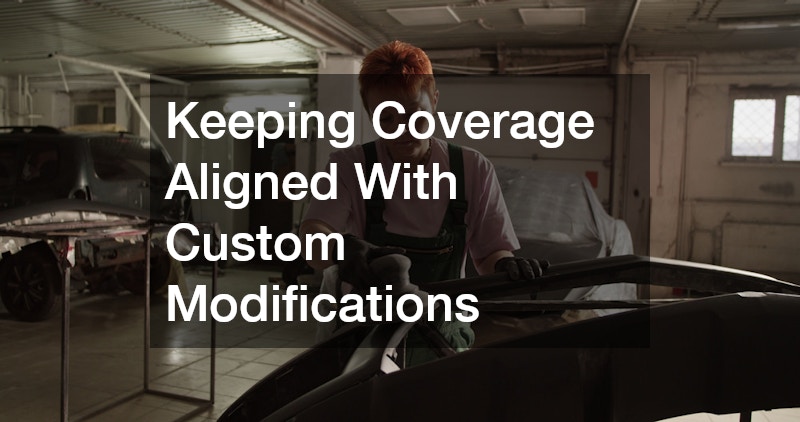
Insurance is often treated as a background concern until something goes wrong. For customized vehicles, ensuring proper coverage is critical to maintaining peace of mind on long trips. Car insurance policies must reflect the true value and configuration of the vehicle to avoid unpleasant surprises.
Standard policies may not account for aftermarket upgrades or specialized components. Without proper documentation and coverage adjustments, drivers risk insufficient compensation in the event of damage or loss.
Reviewing coverage before long-distance travel ensures that modifications are recognized and protected.
Key considerations include:
- Documenting upgrades with receipts and photos
- Understanding policy limits and exclusions
- Ensuring roadside and travel-related coverage
- Reviewing deductibles in relation to vehicle value
Car insurance that aligns with the vehicle’s actual condition reduces anxiety during travel. Drivers who know they are properly protected feel more confident and relaxed, especially when traveling far from home.
Comfort includes the assurance that setbacks can be managed effectively. Proper coverage transforms potential disasters into manageable inconveniences.
Maintaining Living Comfort in Long-Haul Recreational Vehicles
For drivers traveling in recreational vehicles, comfort extends beyond driving dynamics to daily living conditions. Regular motorhome repair and maintenance directly impact how well occupants rest, eat, and recover during long journeys.
Mechanical issues in motorhomes affect more than mobility. Electrical failures, climate control problems, or plumbing issues can quickly turn travel into a stressful experience. Preventive maintenance reduces the likelihood of disruptions.
Comfort-focused maintenance includes:
- Ensuring suspension and steering components are sound
- Maintaining HVAC systems for consistent temperatures
- Inspecting interior systems before extended travel
- Addressing small issues before they escalate
Motorhome repair is not just about fixing problems—it is about preserving a stable, comfortable living environment on the road. Drivers and passengers who sleep well and feel at home travel more safely and enjoyably.
Long-distance comfort depends on reliability. When systems function as expected, occupants conserve energy and maintain a positive mindset throughout the journey.
Designing Routes That Reduce Driver Fatigue
Route planning plays a major role in how comfortable a long-distance trip feels. Destinations like beaches in Florida often involve long stretches of highway driving combined with heavy traffic near popular areas. Thoughtful planning helps manage these challenges.
Breaking long drives into manageable segments allows drivers to recover physically and mentally. Choosing scenic or less congested routes can reduce stress and monotony.
Effective planning strategies include:
- Scheduling drives to avoid peak traffic times
- Incorporating planned rest stops
- Balancing mileage with recovery time
- Considering the weather and seasonal conditions
Beaches in Florida attract heavy traffic during peak seasons, making timing and route selection especially important. Planning ahead minimizes frustration and fatigue.
Comfort improves when drivers feel in control of their schedule rather than reacting to circumstances. Strategic route design supports sustained focus and enjoyment.
Enhancing the Travel Experience With Strategic Stop Planning
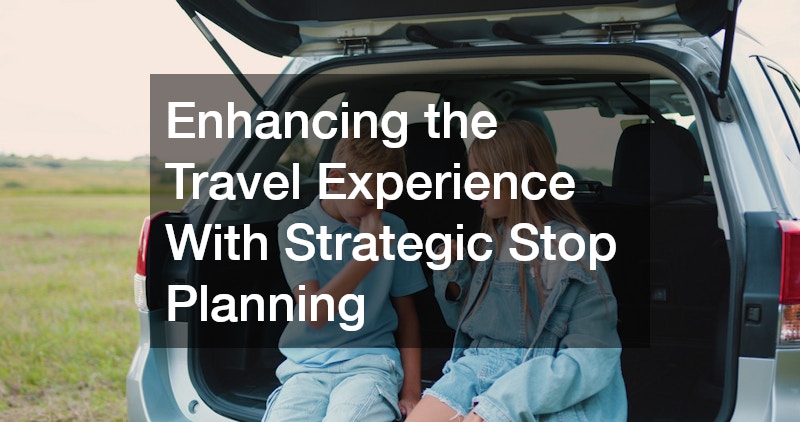
Meals and rest breaks are often treated as afterthoughts, yet they significantly influence comfort on long trips. Planning stops around quality coastal dining can transform necessary breaks into rejuvenating experiences.
Poorly timed or rushed meals lead to discomfort and reduced energy. By choosing stops intentionally, drivers can maintain consistent energy levels and morale.
Strategic stop planning involves:
- Timing meals to support alertness
- Choosing relaxing environments
- Allowing adequate time for rest
- Avoiding overly crowded locations
Coastal dining offers not only nourishment but also a mental reset. Enjoyable breaks improve mood and reduce the sense of urgency that often accompanies long drives.
Comfort is cumulative. Each positive experience—smooth driving, reliable systems, satisfying meals—builds toward an overall journey that feels balanced and rewarding.
Long-distance driving comfort doesn’t come from a single upgrade but from a balance of mechanical refinement, smart planning, and awareness. Custom builds help drivers move past factory compromises, tailoring vehicles to how they’re actually used on extended trips.
Mechanical upgrades like drivetrain tuning and suspension adjustments create a smoother, more predictable ride, reducing physical and mental strain. Combined with non-mechanical preparation such as maintenance planning, proper coverage, and route selection, these choices help drivers stay focused, relaxed, and comfortable despite unavoidable road challenges.
About the Author