Owning and maintaining a vehicle involves more than filling the fuel tank and scheduling occasional maintenance. Drivers must make decisions about repairs, unexpected breakdowns, windshield damage, vehicle purchases, and financial protection. Understanding these responsibilities can help motorists respond confidently when problems arise and make informed choices about their transportation needs. Whether maintaining a dependable daily driver, purchasing a replacement vehicle, or dealing with an unexpected roadside incident, knowing which services are available makes it easier to protect a vehicle’s condition, manage expenses, and maintain safety on the road.
Choose the Right Professionals for Collision Damage
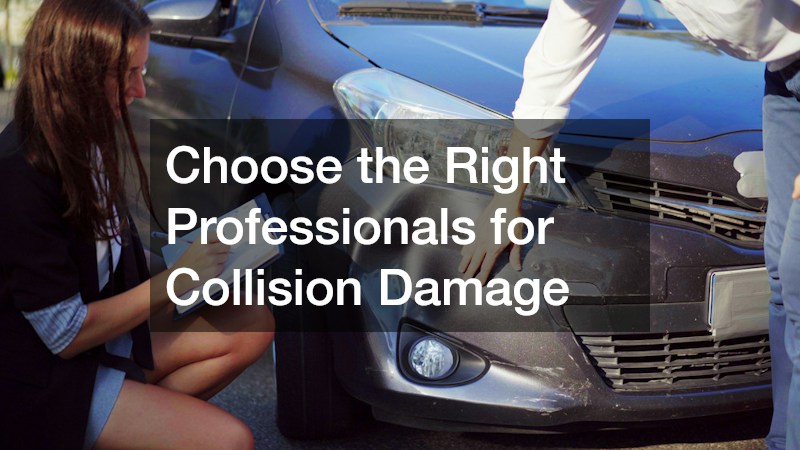
Collisions can cause damage ranging from superficial scratches to significant structural problems that affect a vehicle’s safety and performance. Even when a vehicle remains drivable after an accident, hidden damage may compromise its components or alignment. A thorough assessment helps determine which repairs are necessary and whether the vehicle can safely return to the road.
When evaluating an auto body repair shop, drivers should look for qualified technicians, clear estimates, appropriate repair equipment, and experience working with their vehicle’s make and model. A professional facility should explain the recommended work and distinguish between cosmetic improvements and repairs necessary for safety.
Collision repairs may involve several processes, including:
-
Dent and panel repair: Technicians reshape or replace damaged exterior panels to restore the vehicle’s appearance and fit.
-
Paint matching: Refinishing specialists match paint color and finish to help repaired areas blend with surrounding surfaces.
-
Structural assessment: Technicians evaluate potential damage to structural components and determine whether specialized repairs are needed.
-
Safety system evaluation: Depending on the collision, sensors, cameras, and other driver-assistance components may require inspection or recalibration.
Drivers should request a written estimate and ask whether additional damage discovered during disassembly will require an updated quote. They should also confirm the expected timeline, warranty coverage, and procedures for documenting completed work.
After a collision, photographs, incident reports, and insurance documentation can help establish the extent of the damage.
Maintain Performance With Routine Mechanical Care
Mechanical maintenance supports reliability, fuel efficiency, and safe operation. Vehicles contain interconnected systems that experience wear through regular use, changing temperatures, road conditions, and driving habits. Following the manufacturer’s recommended maintenance schedule helps drivers identify developing problems and reduce the likelihood of unexpected failures.
A dependable automotive repair service can perform routine inspections, diagnose warning lights, and address concerns before they become more serious. Establishing a relationship with a qualified technician also makes it easier to track maintenance history and recognize recurring issues.
Common maintenance tasks include:
-
Oil and filter changes: Clean engine oil helps lubricate moving components and manage heat.
-
Brake inspections: Checking pads, rotors, fluid, and related components helps identify wear that may affect stopping performance.
-
Tire maintenance: Proper inflation, tread inspections, rotations, and alignment checks support handling and tire longevity.
-
Battery testing: Evaluating battery condition and charging performance can help prevent starting problems.
-
Fluid inspections: Checking coolant, transmission fluid, brake fluid, and other applicable fluids helps identify leaks or maintenance needs.
Drivers should pay attention to changes in how a vehicle sounds, feels, or responds. Unusual vibrations, grinding noises, reduced braking performance, fluid spots, or persistent dashboard warnings may indicate a problem requiring professional evaluation.
Maintenance records are valuable when arranging future repairs or preparing to sell a vehicle.
Evaluate Options When Purchasing a Used Vehicle
Purchasing a previously owned vehicle can provide access to transportation at a lower initial cost than buying a comparable new model. However, the purchase price alone does not determine whether a vehicle represents good value. Mechanical condition, accident history, mileage, maintenance records, and ownership costs all deserve careful consideration.
A reputable used cars dealership should provide clear information about vehicle pricing, available history reports, warranty options, and any known limitations. Buyers should avoid making decisions based exclusively on appearance or sales presentations.
Before committing to a purchase, consider the following steps:
-
Review the vehicle history: Check available records for reported collisions, title concerns, ownership changes, and maintenance information.
-
Arrange an independent inspection: A qualified mechanic can identify potential problems that may not be apparent during a brief test drive.
-
Take a thorough test drive: Evaluate braking, steering, acceleration, transmission behavior, visibility, and unusual sounds.
-
Compare the total cost: Include taxes, registration, financing charges, fuel, insurance, and anticipated maintenance.
-
Review the paperwork: Confirm the agreed price, warranty terms, return policies, and title information before signing.
Buyers should also consider how a vehicle fits their actual transportation needs. A commuter may prioritize fuel efficiency and reliability, while a household transporting passengers may need additional seating and cargo space.
Researching comparable listings can help establish whether the asking price is reasonable.
Understand Exterior Restoration and Cosmetic Repairs
Exterior damage can affect a vehicle’s appearance, resale value, and resistance to environmental exposure. Scratches, dents, chipped paint, and damaged trim may seem minor, but some problems can expose underlying materials to moisture and corrosion. Addressing appropriate repairs promptly can help preserve the vehicle’s condition.
Professional auto body repair can include dent removal, panel replacement, paint refinishing, bumper restoration, and repairs to exterior components. The appropriate method depends on the material, location, severity, and accessibility of the damage.
Not every dent requires panel replacement or extensive refinishing. Small dents may qualify for paintless dent repair when the paint remains intact, and the metal can be restored without compromising the panel. Larger dents, cracked finishes, and damage involving multiple components may require more extensive work.
Drivers should ask repair professionals to explain the proposed approach and why it suits the damage. Useful questions include:
-
Can the existing panel be repaired, or does it require replacement?
-
Will the repair involve repainting adjacent panels to achieve a consistent finish?
-
Are replacement parts original, aftermarket, or recycled?
-
What warranty applies to the workmanship and refinished surfaces?
-
How will the completed work be inspected?
Cosmetic repairs may also be worthwhile before selling or trading in a vehicle, although the expected improvement in resale value should be weighed against the repair cost.
Prepare for Breakdowns and Roadside Emergencies
Vehicle breakdowns can happen even when drivers follow maintenance recommendations. Tire failures, dead batteries, overheating, mechanical faults, and collisions can leave motorists unable to continue their journeys. Knowing how to respond helps reduce risks while arranging assistance.
When a vehicle becomes disabled, drivers should prioritize personal safety. If possible, move away from moving traffic and stop in a safe location. Turn on hazard lights and follow local guidance about warning devices and roadside positioning.
Professional auto towing can help transport a disabled vehicle to a repair facility, residence, or another appropriate destination. When requesting assistance, provide the vehicle’s location, make and model, current condition, and any information about the problem. Mentioning whether the vehicle has all-wheel drive, unusual clearance requirements, or significant damage can help determine the appropriate towing equipment.
Drivers should also clarify:
-
The estimated arrival time.
-
The towing distance and expected charges.
-
The destination authorized for delivery.
-
Whether additional equipment or recovery work may incur fees.
-
Whether roadside assistance or insurance benefits cover the service.
Not every breakdown requires towing. A jump-start, tire change, fuel delivery, or lockout service may resolve certain problems without transporting the vehicle.
However, a vehicle experiencing severe overheating, major fluid loss, substantial collision damage, or a suspected mechanical failure may be unsafe to drive. In those situations, professional assessment and transportation can help prevent additional damage and reduce the risk of another incident.
Address Windshield Damage Before It Spreads
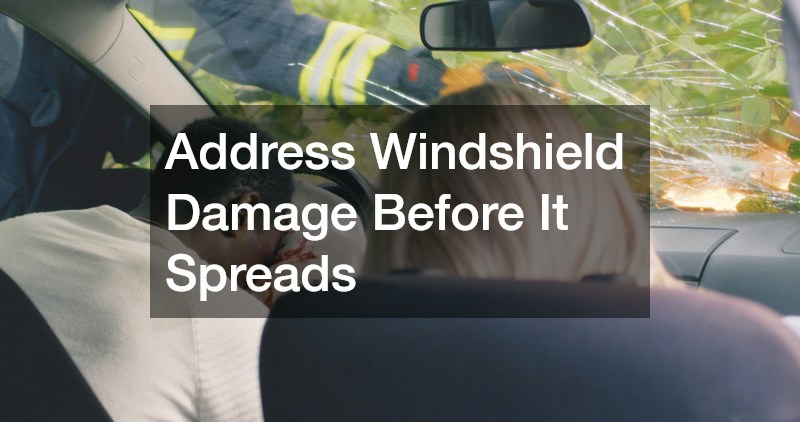
A damaged windshield can affect visibility and compromise the protection provided by a vehicle’s safety structure. Small chips and cracks may develop after stones strike the glass, temperature changes place stress on damaged areas, or road vibrations worsen existing imperfections.
Mobile windshield replacement services offer a convenient option when a vehicle’s glass needs replacement at a suitable location. Depending on provider availability, technicians may be able to complete the work at a residence, workplace, or another accessible site, reducing the need to drive a vehicle with compromised visibility.
Windshield repair may be possible when damage is limited and located in an appropriate area. Larger cracks, damage within the driver’s primary viewing area, or compromised glass edges may require replacement instead.
Drivers should consider several factors when arranging glass service:
-
Damage location: Cracks near the edges or within important viewing areas may affect repair eligibility.
-
Glass specifications: The replacement must match the vehicle’s requirements and applicable safety standards.
-
Installation quality: Proper bonding helps the windshield function as intended during normal driving and certain collisions.
-
Driver-assistance systems: Cameras and sensors mounted near the windshield may require recalibration after replacement.
-
Weather conditions: Installation and curing requirements can affect when the vehicle is safe to drive.
Avoid assuming that every chip can be repaired or that replacement is always necessary.
Recognize Engine Problems and Repair Needs
The engine converts fuel or stored energy into the power required to move a vehicle. In conventional gasoline and diesel vehicles, this process depends on multiple mechanical, electrical, cooling, lubrication, and fuel-delivery systems working together. Problems in these systems can affect performance, reliability, and operating costs.
Engine repairs may be necessary when drivers notice persistent warning lights, unusual knocking, rough idling, excessive exhaust smoke, reduced power, or unexplained fluid consumption. These symptoms can have several causes, so accurate diagnosis is important before replacing components.
A technician may use diagnostic equipment, visual inspections, pressure testing, or other procedures to identify the source of a problem. Depending on the findings, the work could involve repairing a cooling-system leak, replacing ignition components, addressing fuel-delivery problems, or correcting lubrication issues.
Drivers should pay particular attention to warning signs that indicate an immediate risk. If the engine overheats, oil pressure drops dangerously, or a severe knocking sound develops, stopping in a safe location and shutting off the engine may help prevent further damage. Continuing to drive can turn a repairable issue into a much more extensive failure.
Ask for an explanation of the diagnosis, the recommended repair, and any alternatives. It is also useful to ask whether related components need attention and what warranty applies to the completed work.
Find a Specialist for Brand-Specific Service
Some vehicles have specialized engineering, diagnostic requirements, or maintenance procedures that benefit from brand-specific experience. Technicians familiar with a particular manufacturer may better understand recurring issues, specialized equipment, software requirements, and recommended service procedures.
Drivers searching for a local BMW shop, for example, may want a facility experienced with BMW models, including their electronic systems, engine configurations, and manufacturer-specific diagnostic processes. This familiarity can be especially valuable when troubleshooting intermittent warning lights or problems involving integrated vehicle systems.
Before choosing a specialist, consider the following:
-
Relevant experience: Ask whether technicians regularly service the vehicle’s model and generation.
-
Diagnostic capabilities: Confirm that the facility has suitable equipment for the vehicle’s systems.
-
Parts availability: Discuss whether original-equipment or alternative parts are available and appropriate.
-
Service documentation: Request records of the work performed and recommendations for future maintenance.
-
Warranty considerations: Review any applicable manufacturer or third-party warranty requirements before authorizing repairs.
Specialist service does not automatically mean every repair must be performed at a dealership. Independent facilities may offer relevant expertise and equipment, depending on the vehicle and the work required.
Review Financial Protection for Vehicle Ownership
Vehicle-related expenses extend beyond fuel and maintenance. Accidents, theft, severe weather, and liability claims can create substantial financial obligations. Appropriate car insurance helps drivers manage certain risks, subject to the policy’s coverage, exclusions, limits, and deductibles.
Insurance requirements vary by jurisdiction, and drivers should understand the minimum coverage required where they register and operate their vehicles. Depending on individual needs, additional protection may help cover damage to the insured vehicle, losses resulting from theft, or certain expenses following an accident.
When comparing policies, review more than the premium. Consider these factors:
-
Liability coverage: Helps address covered claims involving injuries or property damage for which the insured driver is legally responsible.
-
Collision coverage: May help pay for covered damage to the insured vehicle resulting from a collision.
-
Comprehensive coverage: May cover specified noncollision losses, such as theft, vandalism, or certain weather-related damage.
-
Deductibles: Determine the amount the policyholder must pay toward certain covered claims.
-
Rental reimbursement: May help cover eligible rental transportation expenses while a vehicle undergoes covered repairs.
Drivers should also understand how claims work after a collision. Documenting the incident, collecting relevant information, and contacting the insurer promptly can help initiate the process. Before authorizing repairs, clarify whether the insurer requires an estimate, inspection, or other documentation.
Arrange Reliable Assistance When Every Minute Matters
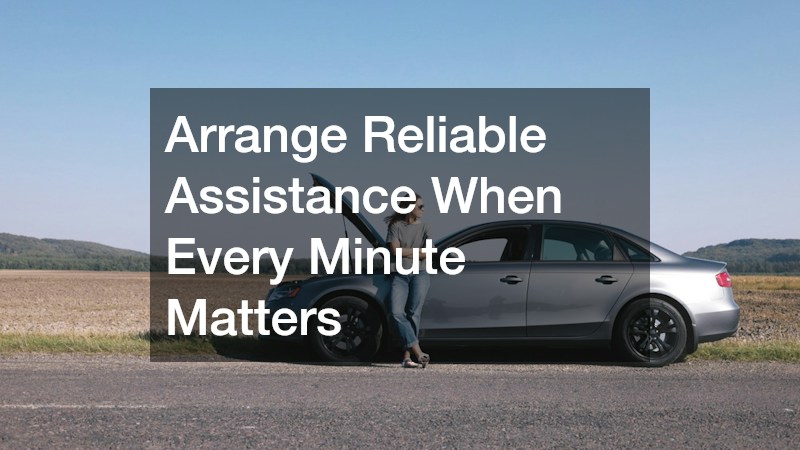
A breakdown can become especially stressful when it occurs in a hazardous location, during severe weather, or while traveling with children or other passengers. Having a plan for obtaining help can make an unexpected incident easier to manage and reduce uncertainty during a difficult situation.
Emergency towing may be necessary when a vehicle is disabled in traffic, cannot be operated safely, or requires recovery after an accident. In these circumstances, drivers should communicate their exact location as clearly as possible and explain any immediate hazards to the dispatcher. If anyone is injured or faces an immediate threat, emergency services should be contacted first.
Roadside assistance programs, insurance benefits, and independent service providers may offer different response options. Drivers should understand the limitations of their coverage, including service areas, distance allowances, response arrangements, and potential additional charges.
After the vehicle has been recovered, determine whether it needs professional inspection before returning to service. A car that has sustained collision damage, experienced severe overheating, or developed a significant mechanical fault should not automatically be driven simply because it has been moved to a safer location.
Understanding available services helps drivers respond effectively to everyday maintenance needs and unexpected roadside incidents. From maintaining mechanical reliability to evaluating vehicle purchases, repairing damage, and reviewing financial protection, informed decisions can make vehicle ownership safer and more manageable. Keep maintenance records organized, address warning signs promptly, and research qualified providers before an emergency occurs.
About the Author