Every vehicle eventually reaches a decision point. It may happen after a sudden repair bill, a string of annoying problems, a change in family needs, or the slow realization that the car no longer feels as dependable as it used to. For some drivers, the right move is a straightforward repair. For others, a few smart upgrades can extend the vehicle’s usefulness and make it more enjoyable to drive. In other cases, replacement is the more practical choice.
The hard part is knowing which situation applies.
Drivers often make this decision emotionally. A paid-off vehicle feels worth saving. A newer vehicle with one expensive issue can feel like a financial mistake. An older vehicle with sentimental value can be difficult to let go of, even when it keeps draining money. The better approach is to look at the full picture: safety, reliability, mileage, repair history, current value, future needs, and how the vehicle is actually used.
A car does not need to be perfect to be worth keeping. It does need to be safe, reasonably dependable, and financially sensible. This guide breaks down how to decide when to repair, when to upgrade, and when to replace a vehicle before small problems turn into expensive regrets.
Start With a Clear Assessment

Before deciding anything, take inventory of the vehicle’s real condition. Not the version of the car remembered from five years ago. Not the version hoped for after one more repair. The current version.
A vehicle’s condition is more than mileage. A well-maintained car with 160,000 miles may be more dependable than a neglected vehicle with half that number. Maintenance history, driving conditions, rust, accident history, and previous repairs all matter. So does the way the vehicle feels during everyday driving.
A trusted auto service inspection can help separate small problems from major concerns. This is especially helpful when deciding whether a repair bill is worth paying. A mechanic may find that the current issue is isolated, or they may identify several upcoming repairs that change the financial picture.
Know When Fixing the Problem Makes Sense
Repairing a vehicle is often the smartest choice when the car is otherwise dependable. A dead battery, worn brakes, aging tires, a faulty sensor, or a leaking hose can feel inconvenient, but those problems do not automatically mean the vehicle should be replaced. Normal wear is part of ownership.
The basic question is simple: after the repair, will the vehicle return to being useful, safe, and reliable?
If the answer is yes, repair may make sense. This is especially true when the vehicle is paid off or when replacement would create a much larger monthly expense. Even a repair that costs several hundred or a few thousand dollars may be cheaper than taking on years of payments, higher insurance, registration costs, and taxes.
A good repair candidate often has:
- A solid maintenance history
- No major structural rust
- A healthy engine and transmission
- Predictable repair needs
- A current issue that has been clearly diagnosed
- A repair cost that is reasonable compared with the vehicle’s value
Routine auto service also helps prevent drivers from facing this decision too early. Oil changes, brake checks, fluid service, tire rotations, filter replacements, and inspections are not exciting, but they are usually cheaper than emergency repairs. Small maintenance habits can add years to a vehicle’s useful life.
Repair becomes less attractive when the issue is vague, recurring, or connected to several other systems. If the same problem keeps returning, or if one repair exposes another expensive problem, it may be time to step back and reconsider the long-term plan.
Separate Cosmetic Damage From Serious Trouble
Body damage can make a vehicle look worse than it really is. A scratched door, dented fender, cracked bumper cover, or scuffed paint may be frustrating, but those problems do not always affect reliability. In many cases, cosmetic damage can be repaired while the car remains mechanically sound.
Auto body services are worth considering when the vehicle is mechanically strong and the damage affects appearance, resale value, weather protection, or usability. For example, a damaged door that no longer seals properly may allow water into the cabin. A cracked bumper may hide broken brackets or sensors. Rust can start as a surface issue and eventually become more serious.
For older vehicles, body repairs require a practical mindset. Fixing a dent on a dependable car can be reasonable. Spending heavily on appearance while the engine, transmission, or suspension is failing is usually not a good idea. The vehicle should be mechanically worth saving before large cosmetic repairs become a priority.
Improve the Vehicle You Already Have
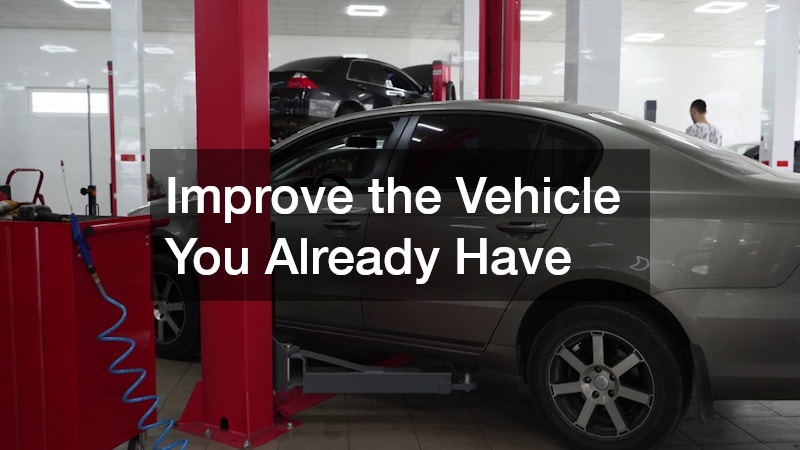
Sometimes a car does not need to be replaced. It just needs attention. Drivers often start shopping because a vehicle feels old, dirty, uncomfortable, or worn out. In some cases, a deep refresh can change that feeling without the cost of buying another car.
This is where appearance and comfort work can be useful. Auto detailing can make a vehicle feel newer by addressing the grime and wear that build up slowly over time. A thorough cleaning can remove odors, brighten interior surfaces, improve visibility through glass, restore headlights, clean carpets, and make the cabin more pleasant for daily driving.
Detailing is especially useful before selling, trading in, or deciding whether to keep a vehicle. A clean car gives the owner a clearer sense of its true condition. It also helps reveal what is actually damaged versus what was simply neglected.
However, cosmetic spending has limits. A clean interior does not fix a slipping transmission. Fresh paint does not make a failing engine reliable. Drivers should address safety and mechanical needs first, then consider appearance improvements once the foundation is solid.
Prioritize Useful Safety Improvements
Upgrades should solve real problems. The best ones improve safety, visibility, comfort, convenience, or how well the vehicle supports daily life. The worst ones add cost without improving function.
For many drivers, practical upgrades include better tires, brighter legal headlights, updated wiper blades, backup cameras, phone mounts, hands-free audio, parking sensors, or improved lighting. These are not flashy changes, but they can make an older vehicle easier and safer to use.
Dash cam installation is another upgrade worth considering for commuters, rideshare drivers, parents of new drivers, and people who spend a lot of time on busy roads. A dash camera can provide a record of road incidents, parking lot damage, or unexpected events while driving. Professional installation may be preferable when the driver wants hidden wiring, parking mode, or a cleaner setup than a plug-in cord hanging from the windshield.
Be Careful With Performance Changes
Performance upgrades can be worthwhile, but only when they match the vehicle’s condition and intended use. A modified vehicle with a weak foundation can quickly become expensive. Before changing the drivetrain, suspension, or power-related components, drivers should make sure the vehicle is mechanically healthy.
A custom driveshaft may make sense for lifted trucks, lowered vehicles, restoration projects, off-road builds, performance cars, or vehicles with drivetrain changes. It is not usually a casual upgrade for an everyday car. Driveshaft geometry, balance, length, strength, and fit all matter. A poor match can create vibration, wear, or safety concerns.
Aftermarket car parts can also be useful, but quality varies widely. Some parts offer better value than original equipment. Others are cheaper for a reason. For critical systems such as brakes, steering, suspension, drivetrain, cooling, and electrical components, fit and reliability should matter more than price alone.
Drivers considering upgrades should think through:
- How the vehicle is used
- Whether the part improves function or only appearance
- Whether the upgrade affects other components
- Whether installation requires special tools or expertise
- Whether resale value may be reduced
- Whether insurance or inspections could be affected
A smart upgrade supports the vehicle’s purpose. A poor upgrade creates new problems. Before spending money on performance changes, drivers should be honest about whether the vehicle is worth building on.
Take Exhaust Problems Seriously
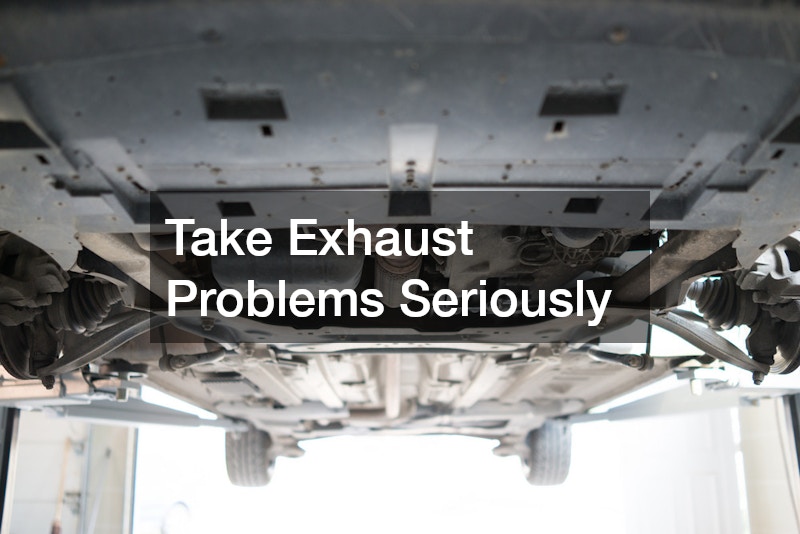
Exhaust issues are easy to ignore until they become loud, annoying, or unsafe. A small rattle or minor leak may not seem urgent at first, but exhaust problems can affect noise, performance, emissions, fuel economy, and cabin safety. Strong exhaust smells inside the vehicle should never be ignored.
Muffler install services may be a practical solution when the muffler itself is damaged or rusted, but the rest of the system remains in decent shape. In other cases, the problem may involve pipes, hangers, catalytic converters, gaskets, sensors, or exhaust manifolds. That is why diagnosis matters. Replacing one visible part may not solve the full issue.
There is also a difference between the vehicle’s exhaust system and the repair environment. A professional shop, fleet garage, or service facility may use a vehicle exhaust extraction system to help remove fumes from enclosed work areas while vehicles are being inspected or repaired. For the average driver, this is a reminder that exhaust work involves more than noise control. Fumes, ventilation, emissions, and safety all matter.
Recognize When It Is Time to Move On
At some point, repairing a vehicle stops making sense. The challenge is recognizing that moment before the car drains more money, time, and patience.
Replacement becomes more practical when a vehicle has frequent breakdowns, major engine or transmission problems, serious rust, electrical issues that are difficult to trace, or repair costs that keep stacking up. It may also be time to replace a vehicle when it no longer fits the driver’s life. A growing family, longer commute, new job, towing need, or health concern can make a once-useful car feel wrong for the current season.
Looking at used cars for sale can help drivers understand the real cost of replacement. Sometimes a repair bill seems high until the driver sees current vehicle prices. Other times, the market makes it clear that putting more money into the old car is not wise.
A useful rule is to compare the repair cost with the car’s value and expected future life. A $1,500 repair on a vehicle that may run reliably for several more years can be reasonable. A $1,500 repair on a vehicle with major rust, transmission symptoms, and recurring electrical issues may only delay the inevitable.
Have a Plan for Letting Go
Replacing a vehicle is easier when there is a clear exit strategy. Waiting until the car is completely dead can reduce options. A vehicle that still runs, even poorly, may be easier to sell, trade, or evaluate than one that has been sitting for months.
Drivers have several options depending on the condition of the vehicle. They may sell privately, trade it in, donate it, part it out, or work with companies that buy cars for cash. The right path depends on the car’s age, title status, mechanical condition, damage, and local demand.
Before getting rid of a vehicle:
- Locate the title
- Remove personal items
- Clear saved addresses from navigation systems
- Remove toll tags and parking passes
- Take photos of the condition
- Be honest about known problems
- Compare more than one offer when possible
- Cancel insurance only after the sale is complete
The goal is to avoid paying for a vehicle that no longer serves a purpose. Insurance, registration, storage, and emotional attachment can keep a bad vehicle around longer than necessary. Once the decision has been made, a clean exit helps the owner move forward.
Think Beyond the Next Bill

The repair-or-replace decision is not only financial. A vehicle affects daily life. It determines whether someone can get to work on time, pick up children, handle appointments, travel safely, or take a weekend trip without worrying about a breakdown. Reliability has value.
The smartest choice comes from looking at the full pattern. How often is the car in the shop? How serious are the problems? How much has been spent recently? What repairs are likely coming next? Does the vehicle still fit the driver’s needs? Is the owner keeping it because it makes sense, or because replacing it feels overwhelming?
A vehicle does not have to last forever to be a good investment. It only needs to serve its purpose safely and reasonably. When it no longer does that, moving on can be the more responsible choice.
Every driver eventually faces the question of whether to keep fixing a vehicle, improve it, or replace it. There is no single answer that fits every situation. A dependable older car may deserve continued care. A solid vehicle may benefit from a few thoughtful improvements. A car with repeated failures, safety concerns, or rising costs may be ready for retirement.
The key is to make the decision with clear eyes. Look at safety first. Then consider reliability, cost, comfort, and future needs. Avoid being pushed by panic after one repair bill, but do not ignore patterns that show the vehicle is becoming a burden.
The right choice is the one that supports the road ahead. It should keep the driver safer, reduce unnecessary stress, and make sense for how the vehicle is used day after day.
About the Author